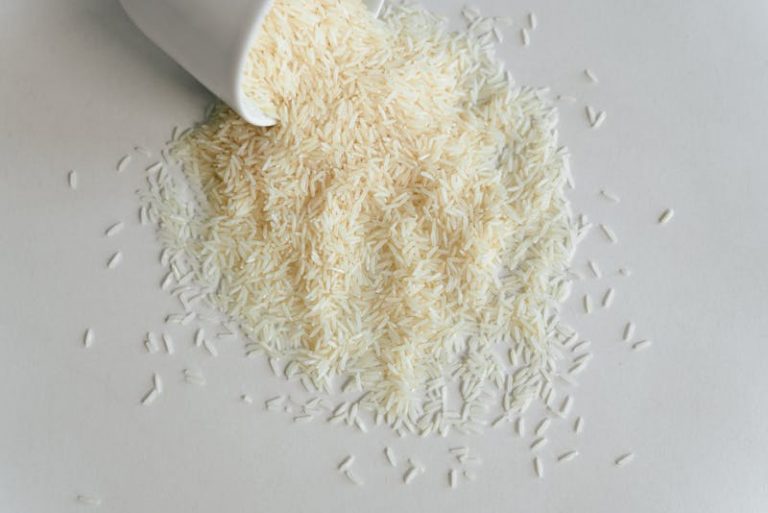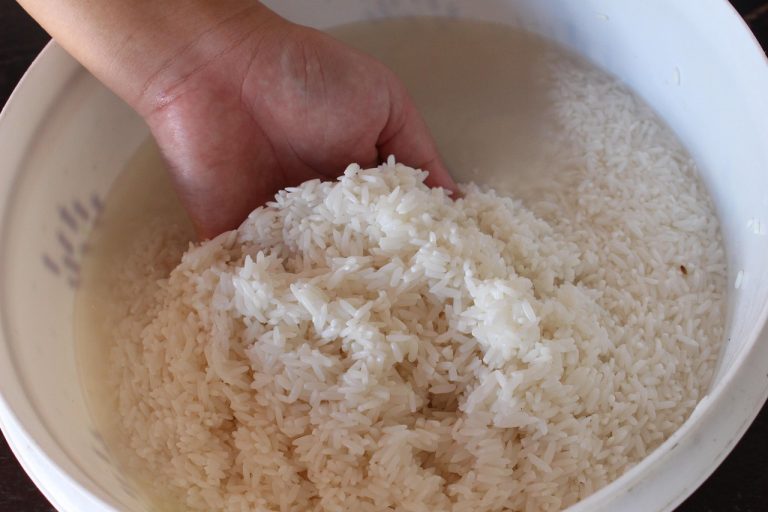
washing the rice
Mindful Eating

How to Wash Rice the Right Way (And Why It Actually Matters)

Washing rice removes excess surface starch, helping prevent sticky or gummy texture after cooking.  Proper rinsing improves flavor, aroma, and even water absorption during cooking.  Gently swirling rice in a bowl is more effective than washing under running water.  Most rice only needs 2–4 rinses until the water is mostly clear.  Overwashing or scrubbing rice […]
Mindful Eating

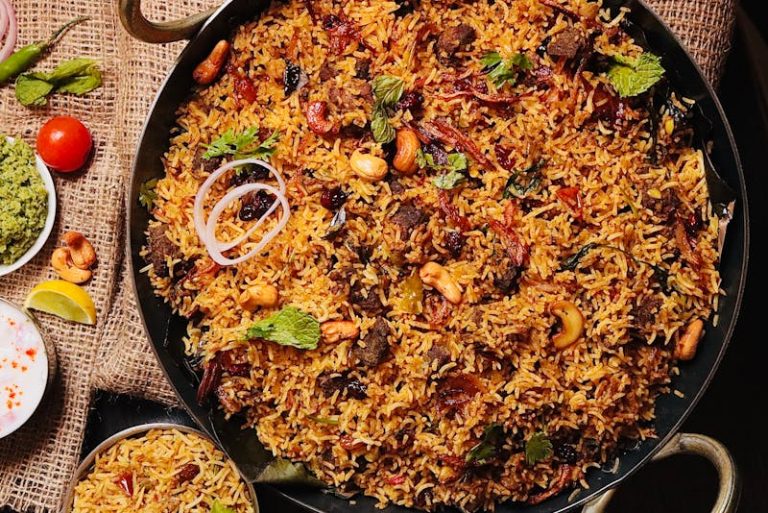
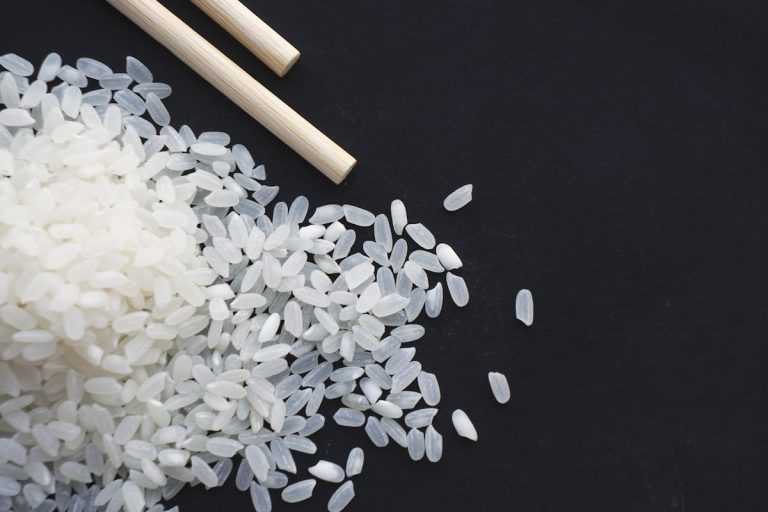
How to Cook Rice Perfectly for Sushi, Fried Rice, and Rice Bowls

Different rice dishes require different textures, so sushi, fried rice, and rice bowls must each be cooked using specific rice types and methods. Choosing the correct rice variety—short-grain for sushi, long- or medium-grain for fried rice, and fluffy rice for bowls—is essential for proper texture and flavor. Water ratios, cooking techniques, and resting times directly

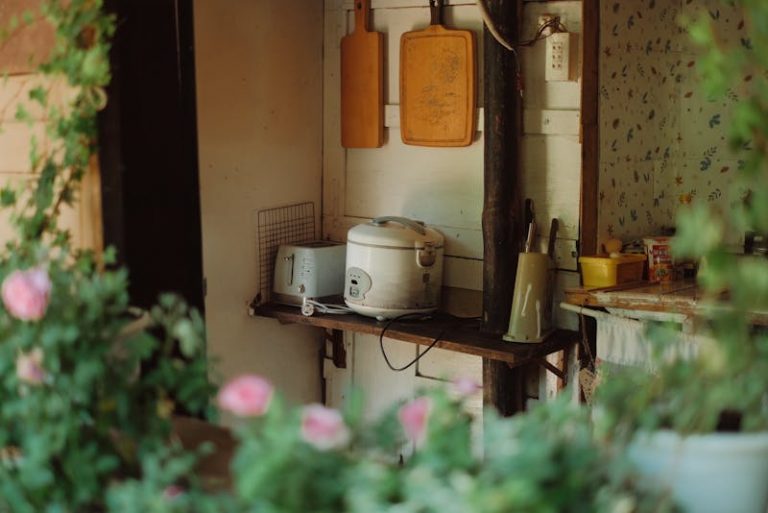
a rice cooker and toaster in the kitchen
Nutrition Science

What is the Correct Water to Rice Ratio? (By Rice Type)

The correct water to rice ratio depends on the rice type, not a single universal measurement. White rice needs less water than brown and whole-grain rice because it absorbs moisture faster. Whole-grain and wild rice require more water due to their fibrous outer layers and longer cooking time. Specialty rice, such as sushi, sticky, and

Nutrition Science

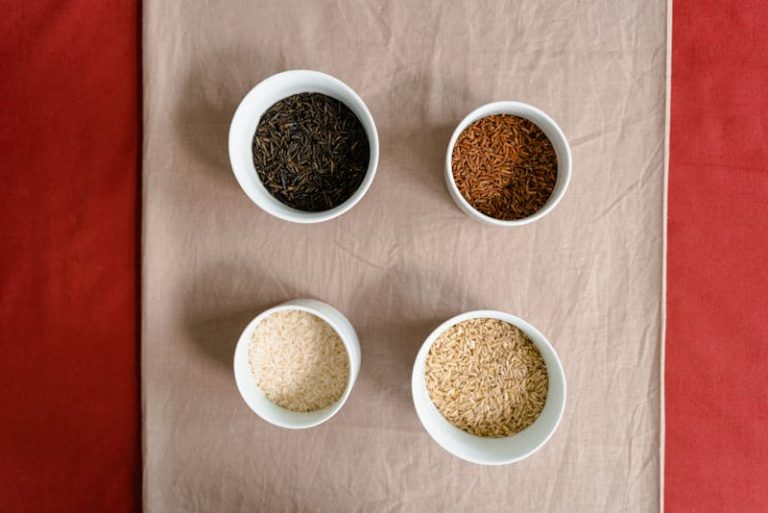
10 Types of Rice Explained: Taste, Texture, and Best Dishes

Not all rice is the same—grain length, starch content, and growing region greatly affect taste, texture, and cooking performance. Aromatic rice varieties like basmati, jasmine, and Paw San Hmwe are ideal for flavorful, spiced dishes because of their fragrance and fluffy texture. Short-grain and high-starch rice types such as sushi rice and Arborio are best

Scroll to Top