
- The correct water to rice ratio depends on the rice type, not a single universal measurement.
- White rice needs less water than brown and whole-grain rice because it absorbs moisture faster.
- Whole-grain and wild rice require more water due to their fibrous outer layers and longer cooking time.
- Specialty rice, such as sushi, sticky, and parboiled rice, has unique ratios that affect texture and stickiness.
- Cooking method and appliance can slightly change how much water your rice needs.
- Letting rice rest after cooking improves moisture absorption and overall texture.
Cooking rice may look simple, but achieving the perfect texture depends heavily on one critical factor: the amount of water used. Too much water can leave your rice soggy, while too little can make it dry and undercooked. Because rice varieties absorb moisture differently, there is no single universal measurement that works for every type. Understanding the right balance helps preserve flavor, structure, and overall quality in every dish.
This guide explains the most accurate water-to-rice ratios by rice type so you can consistently cook fluffy, well-separated grains.
Why Is Getting the Water to Rice Ratio So Important?
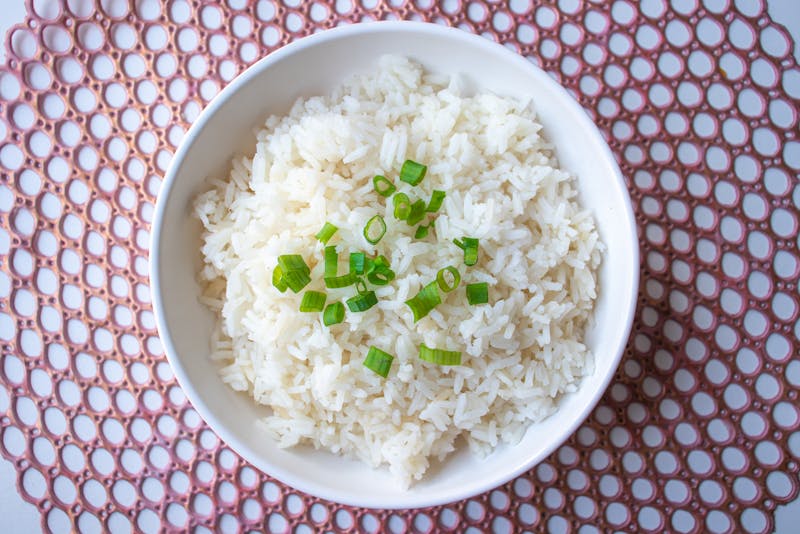
Rice is a starchy grain that absorbs water during cooking until it softens and expands. The amount of water you use controls how much starch is released, which directly affects texture. When too much water is present, excess starch leaks out and creates mushy or sticky results. When water is limited, rice grains cannot fully hydrate and may stay hard in the center.
Different rice varieties have varying starch content, grain length, and husk layers. These physical differences determine how quickly water is absorbed and how much moisture is required for complete cooking. Learning the right ratio also saves time, reduces waste, and improves the appearance of your meals. For cooks preparing meals from simple bowls to dishes using 10 types of rice, mastering ratios leads to consistently better results.
What Is the Correct Water to Rice Ratio?
The correct water to rice ratio depends on the type of rice you are cooking, its milling level, and how much starch it contains. White rice generally needs less water because its outer bran layer has been removed. Brown and wild rice require more water because their fibrous outer layers take longer to soften and absorb moisture.
Using accurate ratios improves both flavor and nutritional quality. It prevents nutrients from being lost in drained cooking water and allows grains to maintain their natural aroma. While cooking methods can influence ratios slightly, the following measurements work well for standard stovetop or rice cooker preparation.
Water to Rice Ratio for Common White Rice Types
White rice varieties are polished and cook quickly, making them ideal for everyday meals. They require less water than whole-grain types.
- Long-grain white – 1 cup rice to 2 cups water
- Medium-grain white – 1 cup rice to 1¾ cups water
- Short-grain white – 1 cup rice to 1½ cups water
- Jasmine rice – 1 cup rice to 1½ cups water
- Basmati rice – 1 cup rice to 1½ cups water
These ratios produce fluffy grains with light separation. Rinsing rice before cooking can slightly reduce the water needed.
Water to Rice Ratio for Brown and Whole-Grain Rice
Whole-grain rice keeps its bran layer, making it richer in fiber and nutrients but slower to cook. It needs more water to penetrate the outer husk.
- Brown long-grain rice – 1 cup rice to 2½ cups water
- Brown short-grain rice – 1 cup rice to 2 cups water
- Red rice – 1 cup rice to 2 cups water
- Black rice – 1 cup rice to 2¼ cups water
Allowing brown rice to rest for 10 minutes after cooking improves moisture absorption and grain tenderness.
Water to Rice Ratio for Specialty and Aromatic Rice
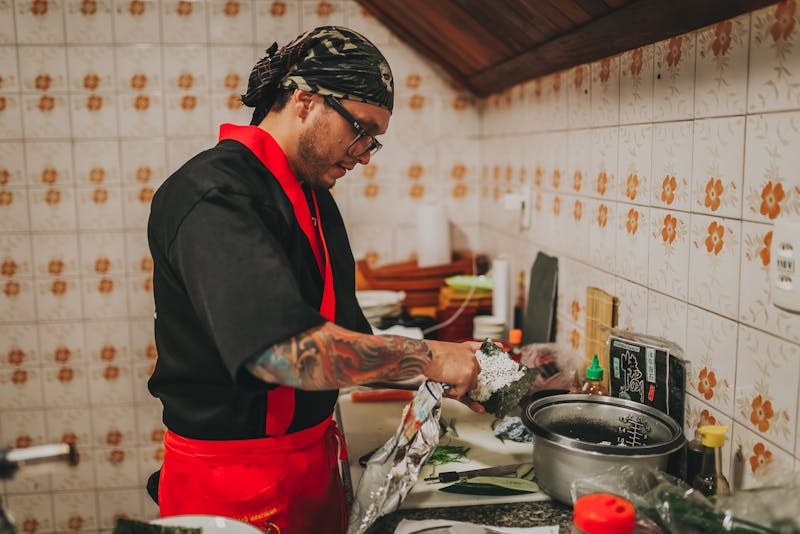
Specialty rice varieties are commonly used in regional dishes and require precise hydration for best results.
- Sushi rice – 1 cup rice to 1¼ cups water
- Sticky (glutinous) rice – 1 cup rice to 1¼ cups water
- Parboiled rice – 1 cup rice to 2 cups water
- Wild rice – 1 cup rice to 3 cups water
Wild rice is technically a grass seed and takes much longer to cook. It needs more water to soften its firm outer shell.
Does Cooking Method Change the Water to Rice Ratio?
While ratios are generally consistent, cooking methods can slightly alter water needs. Rice cookers and pressure cookers trap steam more efficiently, which may require a small reduction in water. Microwave cooking, on the other hand, often needs slightly more water to compensate for faster evaporation.
Sticking to standard stovetop ratios is a reliable starting point. You can then adjust by small increments depending on your appliance and personal texture preferences.
Tips for Perfect Rice Every Time
- Rinse rice until the water runs clear to remove surface starch
- Use a tight-fitting lid to prevent steam loss
- Let cooked rice rest before fluffing
- Avoid stirring while cooking to reduce stickiness
Following these tips helps preserve grain structure and prevent overcooking.
Final Thoughts
Understanding water-to-rice ratios by rice type allows you to consistently prepare high-quality meals. Each rice variety has its own absorption needs, making it important to measure accurately. Whether you are cooking jasmine for stir-fry, brown rice for healthy bowls, or sushi rice for rolls, precise ratios make all the difference. Mastering these measurements will elevate your daily cooking and improve both texture and flavor.