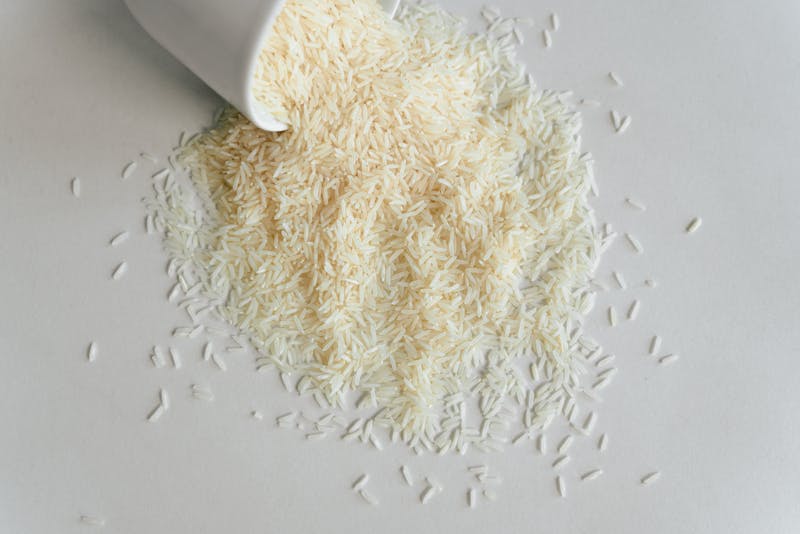

- Basmati rice is a nutritious, aromatic grain suitable for everyday meals, with moderate calories and essential minerals.
- Brown basmati rice is higher in fiber and nutrients compared to white basmati, making it better for digestion and blood sugar control.
- Its lower glycemic index helps support stable energy levels and may benefit those managing blood sugar.
- Proper cooking techniques, such as rinsing and soaking, enhance both flavor and nutritional value.
- Basmati rice pairs well with lean proteins, vegetables, and healthy dishes, making it a versatile choice for balanced diets.
- Compared to other rice types, basmati is easier to digest and less sticky, making it a practical and healthy alternative.
Basmati rice is known for its fragrant aroma, delicate texture, and versatility in many dishes—from simple steamed rice to curries, biryanis, and pilafs. But if you have ever wondered whether this popular grain is actually good for your health, you’re not alone. Many everyday eaters want to understand how basmati rice compares nutritionally to regular white rice and whether it fits into a balanced diet. This guide breaks down its nutrients, benefits, potential drawbacks, and the best ways to enjoy it, especially if you are looking for an option that supports a healthy lifestyle.
Understanding what basmati rice offers can help you make smarter food choices, especially if you are exploring healthier grains or simply want to enjoy your meals without guilt. With both white and brown variations available, basmati rice provides unique health advantages worth noting.
Below, you’ll find a complete, easy-to-follow explanation of what makes this rice variety special and how it may fit into your daily eating habits.
What Makes Basmati Rice Nutritious?
Basmati rice is packed with nutrients that support everyday health, and its natural characteristics make it stand out from many other rice varieties. Before diving into detailed comparisons or health claims, it helps to know what basmati rice contains and why it is often recommended as a healthier alternative to standard long-grain rice. Understanding these basics will also give you a clearer idea of how to incorporate basmati rice into your meals without disrupting your dietary goals.
This section looks at the essential components of basmati rice, such as carbohydrates, protein, fiber, and minerals, along with its calorie profile. You will find that basmati’s mild flavor and distinct texture come with more than just culinary appeal—they also offer several nutritional perks that make it suitable for everyday eaters.
Key Nutritional Highlights
- Moderate calorie content compared to other rice types
- Low to moderate glycemic index, especially in brown basmati
- Natural aroma compounds with antioxidant properties
- Good source of essential minerals like magnesium and B vitamins
- Contains small but meaningful amounts of fiber and protein
White vs. Brown Basmati
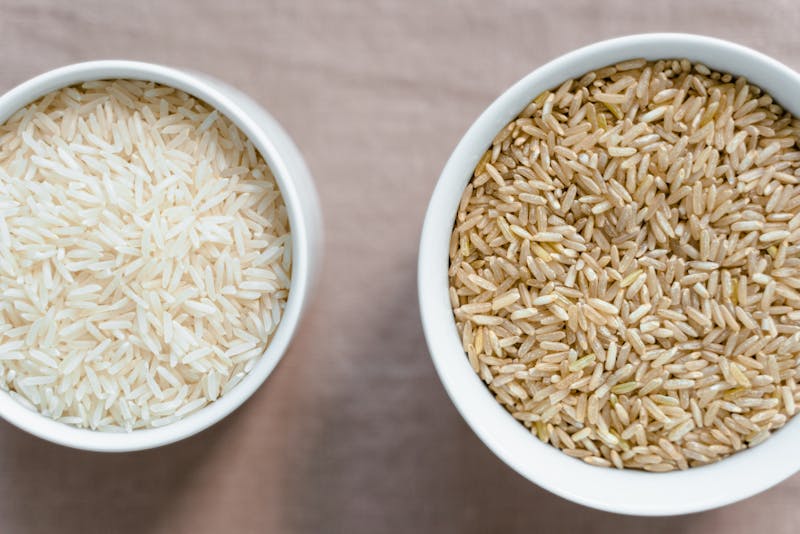
- White basmati is polished and lighter in texture.
- Brown basmati retains its bran layer and provides more fiber.
- Both types are aromatic and nutrient-rich, but brown is generally denser in nutrients.
Is Basmati Rice Healthy? Understanding Its Benefits
Many people ask this question because they want to know if basmati rice fits into a healthy diet without causing unwanted spikes in blood sugar or excessive calorie intake. Basmati rice is known for being aromatic and easy to digest, but it is also recognized for its lower glycemic index compared to most standard white rice options. This means it may help support better blood sugar control, especially when eaten in moderate portions.
In addition to its glycemic advantages, basmati rice offers digestive benefits thanks to its fiber content, particularly in the brown variety. Its nutrient profile also supports heart health and provides steady energy, making it a reliable choice for everyday meals. Whether you enjoy rice frequently or occasionally, basmati rice provides a balanced combination of nutrition and flavor.
Major Health Benefits
- Supports stable energy levels
- Easier on digestion than other long-grain varieties
- Brown basmati helps improve bowel regularity
- A lower glycemic index may benefit blood sugar management
When Is It the Best Choice?
- Ideal for balanced meals paired with lean protein and vegetables
- Suitable for families looking for a mild, aromatic grain
- Works well for people switching from regular white rice to healthier alternatives
How Does Basmati Compare to Other Rice Types?
Understanding how basmati stacks up against other rice types helps you make better decisions when choosing grains for your meals. Many people compare basmati rice to jasmine rice, regular white rice, and short-grain varieties commonly used in Asian dishes. While all rice provides carbohydrates and some minerals, the nutritional profile varies depending on the type and the processing method.
Basmati rice often wins in categories like glycemic index and ease of digestion, making it a practical everyday choice for health-conscious individuals. This section highlights what sets basmati apart and how these differences matter when selecting the right rice for your household.
Key Comparisons
- Lower glycemic index than regular white rice
- Less sticky, making it easier to digest
- More aromatic and flavorful
- Brown basmati offers more fiber than most white rice types
When Other Rice Types May Be Better
- Short-grain rice works better for sushi
- Jasmine rice offers a softer texture
- Sticky rice varieties serve specific culinary uses
Tips for Cooking and Enjoying Basmati Rice
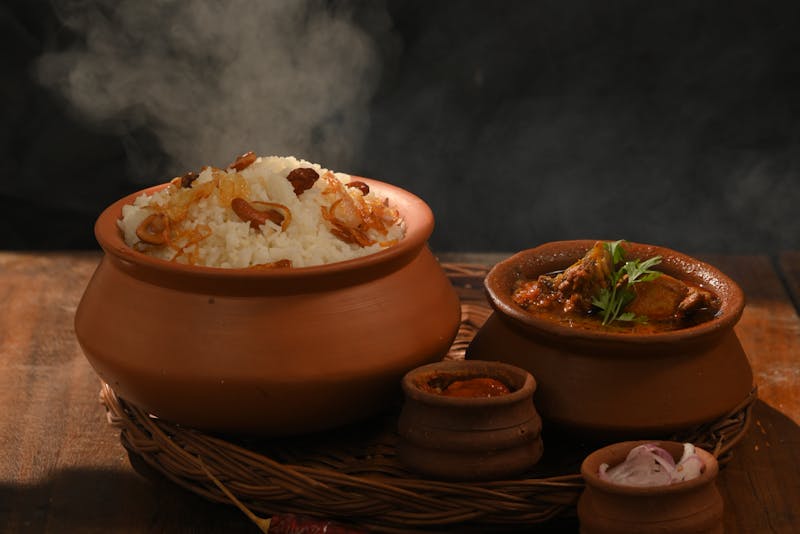
Preparing basmati rice properly can help preserve its delicate aroma and nutrition. While people commonly search for how to cook basmati rice, it’s also helpful to know how cooking techniques affect the grain’s texture and potential health benefits. Cooking methods like soaking, rinsing, and steaming can influence the final flavor and nutrient retention.
This section explores simple tips to help you prepare basmati rice perfectly. You’ll also find practical serving suggestions that make this aromatic grain a healthy addition to your meals.
Cooking Tips
- Rinse the rice thoroughly to remove excess starch.
- Soak it for 20 to 30 minutes to enhance fluffiness.
- Use a 1:1.5 or 1:2 rice-to-water ratio depending on your preferred texture.
- Let the rice rest after cooking to allow steam absorption.
Healthy Ways to Serve It
- Pair with grilled chicken, tofu, or fish
- Combine with vegetables for fiber-rich meals
- Use as a base for curries, pilaf, or grain bowls
Conclusion
Basmati rice is more than just a fragrant and flavorful grain—it offers a range of nutritional benefits that make it a healthy choice for everyday eaters. Whether you choose white or brown basmati, this rice provides moderate calories, essential minerals, and a lower glycemic index compared to standard white rice. By using proper cooking techniques and pairing it with vegetables, lean proteins, or wholesome sauces, basmati rice can easily fit into a balanced diet. For those curious about healthier grains, basmati rice is a versatile option that combines taste, aroma, and nutrition, making it a smart addition to any meal plan.