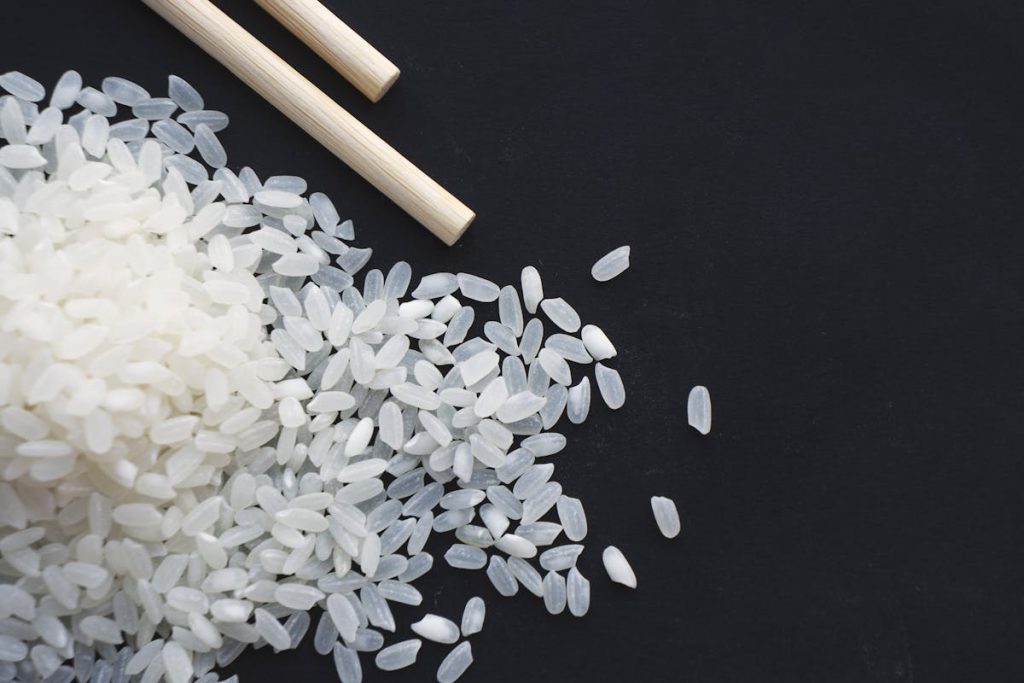

- Different rice dishes require different textures, so sushi, fried rice, and rice bowls must each be cooked using specific rice types and methods.
- Choosing the correct rice variety—short-grain for sushi, long- or medium-grain for fried rice, and fluffy rice for bowls—is essential for proper texture and flavor.
- Water ratios, cooking techniques, and resting times directly affect rice quality and should be adjusted based on the dish you’re preparing.
- Sushi rice needs careful rinsing, precise seasoning, and gentle cooling, while fried rice performs best when made with fully cooled or day-old rice.
- Resting or cooling rice after cooking improves texture, prevents excess moisture, and leads to more consistent results.
- Light seasoning allows rice to complement toppings and sauces rather than overpower the dish.
Rice is one of the most widely consumed foods in the world, yet it’s also one of the most misunderstood in home cooking. While rice may seem simple—just grains and water—the truth is that different dishes demand different textures, moisture levels, and cooking methods. Sushi rice should be sticky but not mushy, fried rice must be dry and separated, and rice bowls rely on fluffy grains that hold toppings without collapsing.
This guide breaks down everything you need to know about cooking rice perfectly for sushi, fried rice, and rice bowls. From choosing the right rice variety to adjusting water ratios and mastering post-cooking techniques, this article will help you achieve consistent, professional-quality results at home.
Understanding Why Different Rice Dishes Require Different Cooking Methods
Cooking rice properly starts with understanding that not all rice dishes are created equal. Sushi, fried rice, and rice bowls may all rely on rice as a base, but each dish requires a distinct texture and moisture level. Treating them the same often leads to disappointing results, such as soggy fried rice or dry sushi rice that won’t hold together.
Rice texture is influenced by several factors, including grain length, starch content, water absorption, and resting time after cooking. Short-grain rice releases more starch, creating stickiness, while long-grain rice stays firm and separate. The cooking method you choose—absorption, steaming, or spreading rice to cool—also plays a critical role in determining the final outcome.
To cook rice well across different dishes, you must adapt your approach rather than rely on a single method. Understanding these differences allows you to control the final texture instead of guessing, making your cooking more precise and reliable.
Choosing the Right Type of Rice for Each Dish
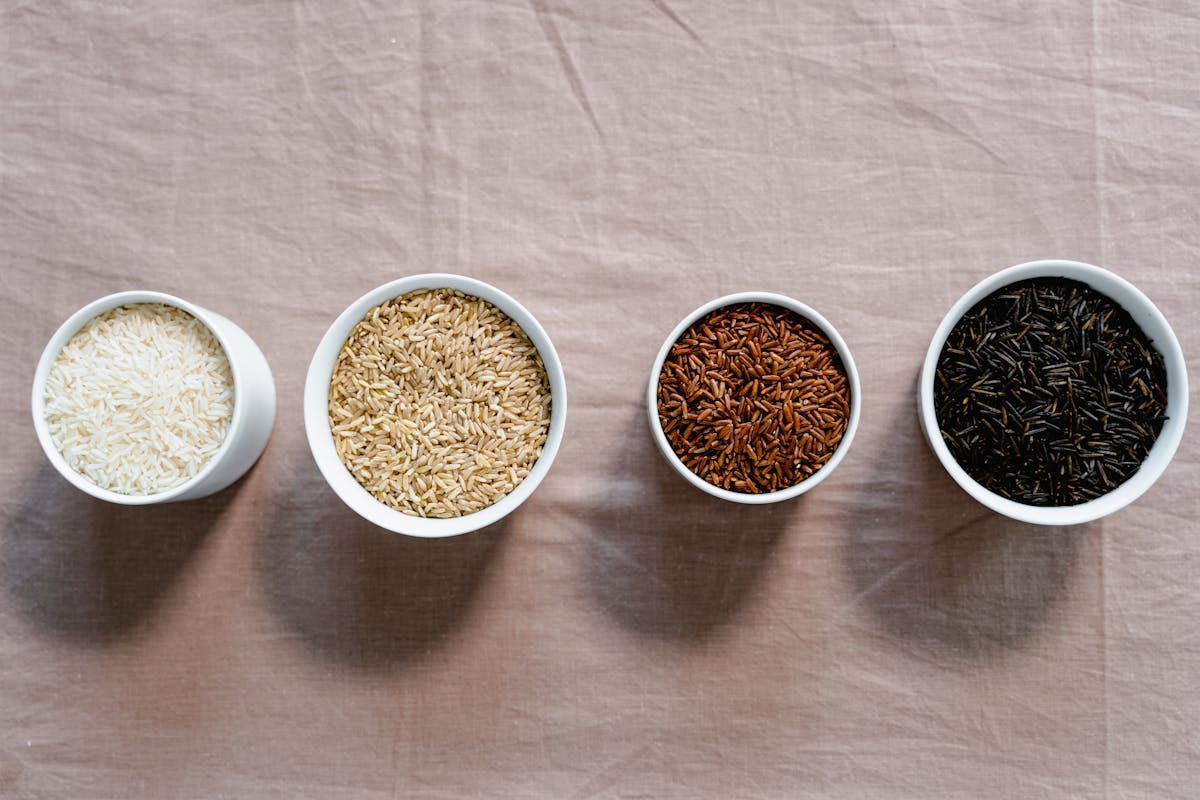
Selecting the correct rice variety is the foundation of perfect results. Each dish performs best with a specific grain type, and substitutions often compromise texture and flavor. Knowing what to buy—and why—makes cooking rice significantly easier.
With so many varieties available worldwide, understanding the differences between the 10 types of rice most commonly used in everyday cooking—such as short-grain, medium-grain, long-grain, jasmine, basmati, arborio, and glutinous rice—helps home cooks make smarter choices. Each type behaves differently when cooked, absorbing water and releasing starch at varying rates. Matching the rice variety to the intended dish ensures the final texture aligns with sushi’s stickiness, fried rice’s separation, or rice bowls’ fluffiness.
Short-grain rice is high in amylopectin, a starch that creates a sticky texture. Medium-grain rice balances tenderness and structure, while long-grain rice contains more amylose, keeping grains separate and fluffy. These properties explain why certain rice types are traditionally paired with specific cuisines.
Best Rice Types for Sushi
- Japanese short-grain rice
- California medium-grain rice (acceptable substitute)
- Rice labeled specifically as “sushi rice”
Best Rice Types for Fried Rice
- Long-grain white rice
- Jasmine rice
- Medium-grain rice that has been chilled
Best Rice Types for Rice Bowls
- Jasmine rice
- Medium-grain white rice
- Short-grain rice for hearty or saucy bowls
Choosing the right rice ensures that the cooking method enhances the dish instead of working against it.
How to Cook Rice Perfectly for Sushi Rice
Sushi rice demands precision, patience, and careful handling. The goal is a tender yet slightly firm grain that sticks together without becoming gluey. Unlike regular steamed rice, sushi rice is seasoned and cooled deliberately to create its signature texture.
The cooking process begins before heat is applied. Rinsing removes excess surface starch, which prevents the rice from becoming overly sticky. After cooking, the rice is seasoned while still warm, then gently cooled to achieve balance and shine.
Key Steps for Perfect Sushi Rice
- Rinse rice until the water runs mostly clear
- Use a precise water-to-rice ratio
- Avoid stirring during cooking
- Season immediately after cooking
- Cool rice gently without refrigeration
Common Sushi Rice Mistakes to Avoid
- Skipping the rinsing process
- Adding seasoning too early or too late
- Using long-grain rice
- Refrigerating sushi rice before use
Mastering sushi rice takes practice, but attention to these steps ensures consistent success and authentic results.
Cooking Rice for Fried Rice: Texture Matters More Than Freshness
Fried rice relies on separation rather than stickiness. Freshly cooked rice contains too much moisture, which causes clumping and steaming instead of frying. For this dish, dryness is not a flaw—it’s a requirement.
The best fried rice starts with rice that has been cooked ahead of time and allowed to cool completely. This process allows moisture to evaporate and starches to firm up, making the grains resilient under high heat.
Ideal Cooking Method for Fried Rice
- Cook rice using slightly less water than usual
- Spread cooked rice on a tray to cool
- Refrigerate for several hours or overnight
- Break up clumps before cooking
Tips for Achieving Restaurant-Style Fried Rice
- Use cold rice straight from the refrigerator
- Avoid overcrowding the pan
- Cook over high heat
- Add sauces gradually to prevent sogginess
Fried rice succeeds when the grains stay separate and absorb flavor without losing structure.
Preparing Rice for Rice Bowls: Fluffy, Balanced, and Versatile
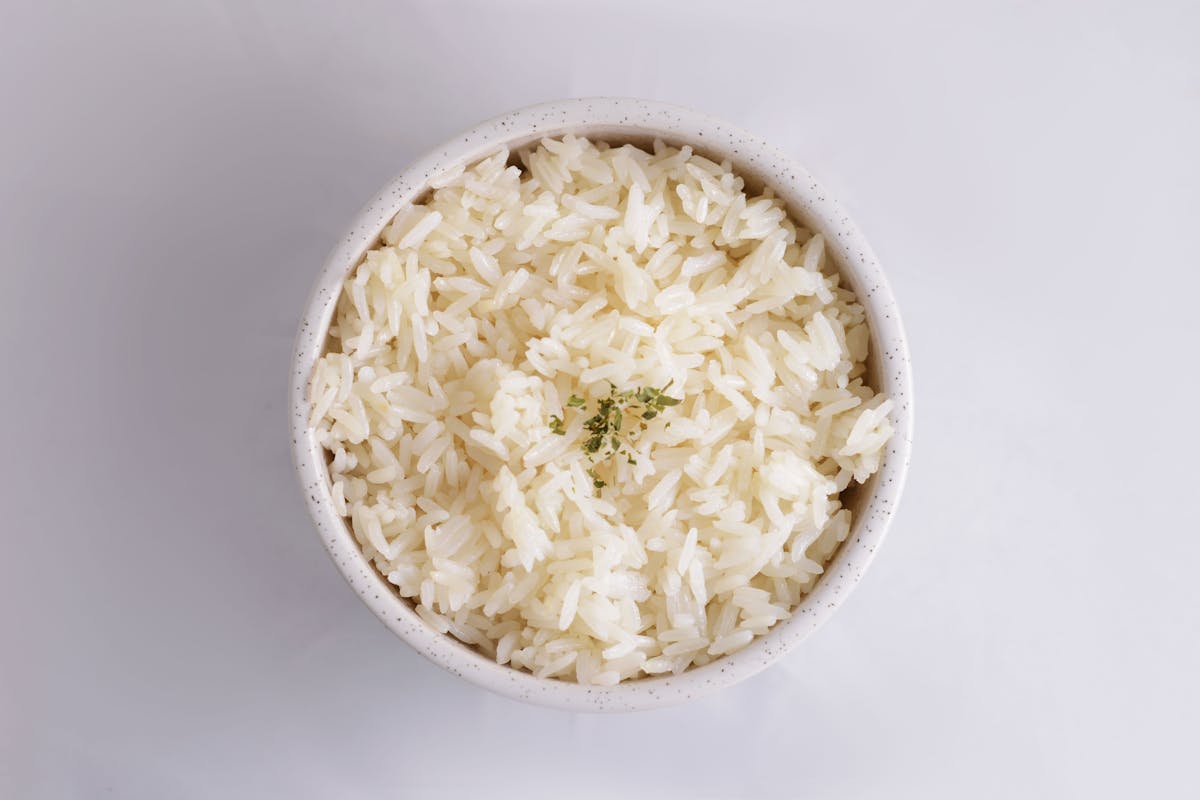
Rice bowls are designed to showcase toppings, sauces, and proteins, making the rice itself a supportive foundation rather than the star. The ideal rice for bowls should be fluffy, tender, and capable of absorbing flavor without becoming heavy.
Unlike sushi or fried rice, rice bowls offer more flexibility in grain choice and cooking method. However, consistency still matters. Overcooked rice collapses under toppings, while undercooked rice disrupts the eating experience.
Characteristics of Ideal Rice for Bowls
- Light, fluffy texture
- Slight stickiness for cohesion
- Neutral flavor profile
- Ability to absorb sauces evenly
Cooking Tips for Perfect Bowl Rice
- Rinse rice lightly, not excessively
- Allow rice to rest after cooking
- Fluff gently with a fork or rice paddle
- Keep warm without drying out
When prepared correctly, rice bowls feel balanced and satisfying rather than heavy or bland.
Mastering Water Ratios and Cooking Techniques
Water ratio is one of the most critical factors in rice cooking. Too much water leads to mushy rice, while too little results in undercooked grains. The ideal ratio varies by rice type and intended dish.
One of the most important factors in rice cooking is getting the water to rice ratio right. Even small adjustments can significantly impact texture, turning rice mushy or leaving it undercooked. Because different rice varieties absorb moisture differently, the ideal ratio varies depending on both the grain type and the dish being prepared. Mastering this balance allows you to produce consistent results whether you’re cooking rice for sushi, fried rice, or hearty rice bowls.
Absorption cooking is the most common method, where rice absorbs all the water during cooking. This method provides predictable results when ratios are measured accurately. Steaming methods are also effective for short-grain rice, especially in sushi preparation.
General Water-to-Rice Ratios
- Short-grain rice: 1.2–1.3 cups water per cup of rice
- Medium-grain rice: 1.5 cups water per cup of rice
- Long-grain rice: 1.75 cups water per cup of rice
Cooking Technique Best Practices
- Bring water to a boil before reducing the heat
- Keep the lid closed during cooking
- Avoid stirring while the rice cooks
- Let rice rest off the heat for 10 minutes
Consistency in measuring and timing is the key to repeatable results.
The Importance of Resting and Cooling Rice
Many home cooks overlook the resting phase, but it plays a major role in texture. Allowing rice to rest after cooking redistributes moisture and firms up the grains, improving both taste and structure.
Resting is particularly important for rice bowls and sushi, while cooling is essential for fried rice. Skipping these steps often results in uneven texture and excess moisture.
When to Rest vs. Cool Rice
- Rest rice for bowls and sushi
- Cool rice completely for fried rice
- Avoid covering rice tightly during cooling
Best Cooling Methods
- Spread rice on a wide tray
- Use a fan for gentle air circulation
- Refrigerate uncovered for short periods
Proper resting and cooling elevate rice from average to excellent.
Seasoning Rice Without Overpowering the Dish
Rice should complement the dish, not compete with it. Sushi rice requires deliberate seasoning, while fried rice and bowls benefit from subtle enhancements rather than heavy seasoning during cooking.
Salt is often enough for plain rice, allowing sauces and toppings to shine. Over-seasoning during cooking limits flexibility later.
Seasoning Guidelines by Dish
- Sushi rice: Vinegar, sugar, and salt blend
- Fried rice: Minimal seasoning during cooking
- Rice bowls: Light salt or none at all
Common Seasoning Mistakes
- Adding oil directly to the cooking water
- Over-salting before tasting
- Using strong spices during boiling
Balanced seasoning keeps rice versatile and adaptable across dishes.
Common Rice Cooking Mistakes and How to Fix Them
Even experienced cooks encounter rice problems from time to time. Understanding how to troubleshoot common issues helps prevent waste and frustration.
Frequent Problems and Solutions
- Mushy rice: Reduce water and avoid stirring
- Dry rice: Sprinkle with water and steam briefly
- Sticky fried rice: Use older, chilled rice
- Bland rice: Season lightly after cooking
Correcting small mistakes quickly prevents them from affecting the final dish.
Conclusion: Consistency Is the Secret to Perfect Rice
Cooking rice perfectly for sushi, fried rice, and rice bowls is less about complexity and more about attention to detail. Each dish demands a specific texture, which can only be achieved by choosing the right rice, measuring water accurately, and respecting resting and cooling times.
By understanding how rice behaves under different conditions, you gain control over your results instead of relying on guesswork. Whether you’re preparing a delicate sushi roll, a smoky pan of fried rice, or a hearty rice bowl, these techniques ensure dependable, high-quality results every time.