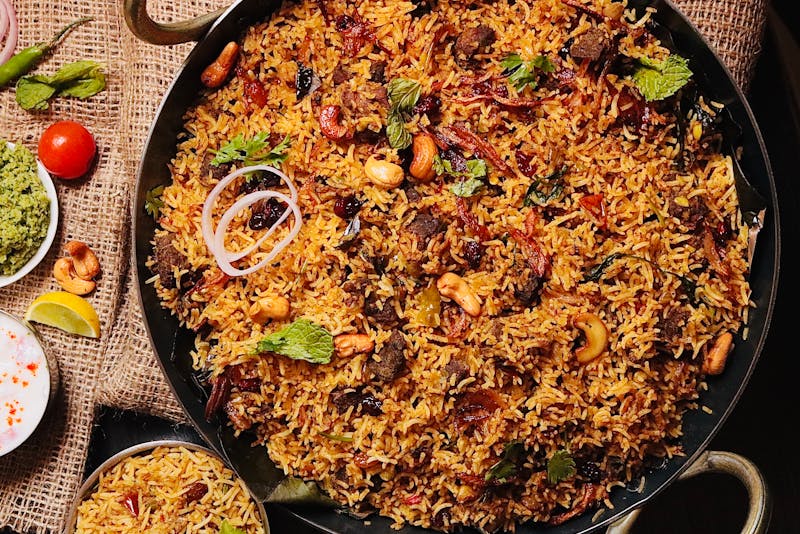

- Wash and soak basmati rice for 20–30 minutes to ensure long, separate, and fluffy grains.
- Use the right water ratio for each cooking method to avoid mushy or undercooked rice.
- The draining method is best for biryani, while absorption works well for curry and everyday meals.
- Rice cookers and Instant Pots offer consistent, beginner-friendly ways to cook basmati rice perfectly.
- Proper storage and reheating techniques keep cooked basmati rice fluffy for several days.
- Avoid common mistakes such as stirring the rice, using too much water, or skipping the resting phase.
Cooking basmati rice perfectly is one of the most rewarding skills any home cook can learn. Whether you’re preparing a rich Indian curry, a layered biryani, or a fragrant pilaf, the quality of your rice can make or break the dish. Known for its long grains, floral aroma, and fluffy texture, basmati rice behaves differently from standard long-grain varieties. To get the best results, you need the right techniques, water ratios, and preparation methods.
This complete guide breaks down everything you need to know about cooking basmati rice for various dishes. From soaking and rinsing to choosing the right cooking method, you will learn fool-proof steps that guarantee light, fragrant, and non-sticky rice every time.
What Makes Basmati Rice Unique?
Basmati rice stands out from other rice varieties because of its distinctive aroma, long, slender grains, and ability to elongate rather than widen when cooked. Its unique fragrance comes from a natural compound called 2-acetyl-1-pyrroline, which also appears in bread crust and jasmine rice. When properly prepared, the grains remain separate, fluffy, and light. This is why basmati rice pairs beautifully with saucy dishes like curry, layered dishes like biryani, and seasoned dishes like pilaf or fried rice.
To cook basmati rice well, it’s essential to understand its behavior during washing, soaking, boiling, and steaming. Each of these steps affects the final texture, aroma, and overall quality. Once you know what makes basmati unique, cooking it perfectly becomes much easier.
How to Choose the Right Basmati Rice
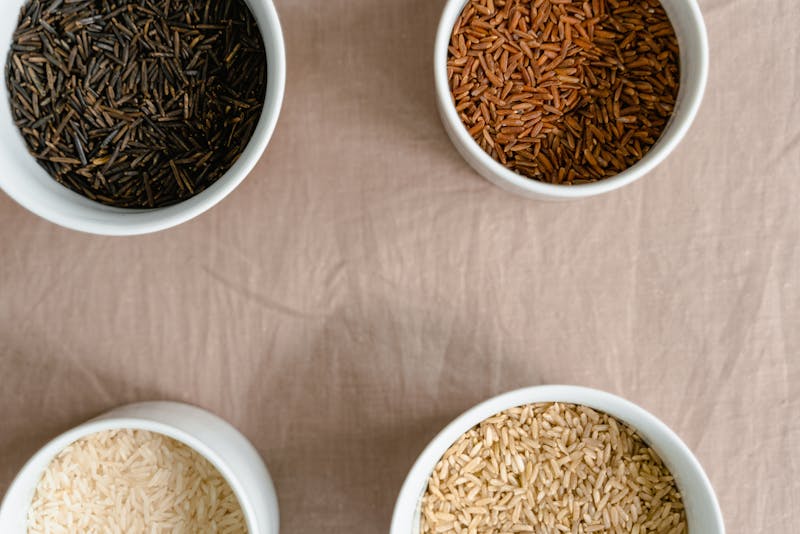
When learning how to cook basmati rice perfectly, choosing the right variety is your first step. Different brands and grain types (regular, long-grain, extra-long grain, and aged) produce different textures. Aged basmati is typically preferred for biryani and pilaf because it has a firmer structure and stronger aroma.
What to look for when buying basmati rice
- Long, slender, uniform grains
- Packaging that states “aged” or “extra-long grain”
- No broken or chalky pieces
- A naturally dry and elongated appearance
Good-quality basmati varieties
- Indian basmati (e.g., Dehradun, Pusa basmati)
- Extra-long aged basmati for restaurant-style dishes
- Brown basmati for healthier recipes
Choosing the right rice makes it easier to achieve fluffy grains and a rich aroma.
Why Washing and Soaking Matter
Before cooking basmati rice, washing and soaking the grains help remove excess starch and improve texture. This step also prevents the rice from clumping and ensures even cooking. Many people skip this stage, but it makes a noticeable difference, especially for biryani and pilaf.
Washing basmati rice properly
- Place rice in a large bowl.
- Rinse with cold water.
- Swirl with your hand until the water becomes cloudy.
- Repeat 3–4 times or until the water runs mostly clear.
Soaking basmati rice
- Soak the rice for 20–30 minutes before cooking.
- This allows the grains to absorb water and elongate.
- Soaking leads to fluffier, softer rice without broken grains.
This simple preparation step is crucial, especially if you want restaurant-quality rice with distinct, separate grains.
Water Ratios Explained: How Much Water Should You Use?
Water measurement is one of the most important factors when cooking basmati rice. Using too much water results in mushy, sticky rice. Using too little leads to undercooked grains. The ideal ratio varies depending on your cooking method, whether the rice is soaked, and the variety of basmati you use.
General water ratios (for soaked rice)
- Stovetop absorption: 1 cup rice: 1.5 cups water
- Rice cooker: 1 cup rice: 1.25 cups water
- Instant Pot: 1 cup rice: 1 cup water
For non-soaked basmati
- Stovetop absorption: 1 cup rice: 1.75 cups water
- Rice cooker: 1 cup rice: 1.5 cups water
For brown basmati
- 1 cup rice: 2.25–2.5 cups water
Understanding the right water ratio sets the foundation for fluffy, perfectly cooked basmati rice.
How to Cook Basmati Rice (Stovetop Absorption Method)
The stovetop absorption method is one of the most traditional ways to cook basmati rice. It gives you full control over heat, steam, and texture. This technique is perfect for serving rice with curry, stew, or sautéed dishes.
Step-by-step stovetop absorption method
- Wash and soak 1 cup of rice for 20–30 minutes.
- Drain the rice well.
- Bring 1.5 cups of water to a boil in a pot.
- Add the soaked rice, a pinch of salt, and a little oil or butter.
- Reduce heat to low and cover with a tight lid.
- Cook for 12–15 minutes without opening the lid.
- Turn off heat and let rest for 10 minutes.
- Fluff the rice gently with a fork.
Advantages of this method
- Produces soft, fluffy, separate grains
- Minimizes the risk of mushy rice
- Ideal for curries, grilled meats, and saucy dishes
Cooking Basmati Rice Using the Draining Method (Restaurant Style)
Many restaurants use the draining method, which is similar to cooking pasta. This technique helps achieve ultra-long, separate grains, making it ideal for biryani or rice that needs to stay firm.
How to cook basmati rice using the draining method
- Wash and soak the rice for at least 20–30 minutes.
- Boil a large pot of water with salt.
- Add whole spices if desired (cardamom, cloves, bay leaf).
- Add the rice and cook uncovered for 7–10 minutes.
- Check a grain for doneness. It should be 85–90 percent cooked.
- Drain the rice thoroughly using a colander.
- Use immediately for biryani layering or allow steam to escape fully.
Benefits of the draining method
- Produces very long grains
- Ideal for biryani, pilaf, and restaurant-style dishes
- Easy to control the texture
How to Cook Basmati Rice in a Rice Cooker
Many home cooks prefer using a rice cooker because it is convenient and consistent. This method is perfect for beginners and busy people who want reliable results with minimal effort.
Steps for cooking basmati rice in a rice cooker
- Wash and soak the rice for 15–20 minutes.
- Drain and place the rice in the cooker.
- Add the correct water ratio.
- Add a little oil or butter to prevent sticking.
- Select the standard white rice setting.
- Let the rice sit for 10 minutes after cooking.
- Fluff with a fork before serving.
Why this method is helpful
- Convenient and time-saving
- Produces consistent results
- Great for everyday meals and meal prep
Using an Instant Pot to Cook Basmati Rice
The Instant Pot has become a popular kitchen device because of its speed and precision. It is especially good for cooking rice evenly without much monitoring. The pressure-cooking environment helps achieve a uniform, fluffy texture.
Instant Pot basmati rice method
- Rinse and soak the rice for 10–20 minutes.
- Drain thoroughly.
- Add 1 cup of rice and 1 cup of water to the pot.
- Add salt and oil if desired.
- Select “Pressure Cook” mode for 5 minutes.
- Allow natural pressure release for 10 minutes.
- Open the lid and fluff gently.
Advantages of using an Instant Pot
- Fast cooking time
- Even texture throughout
- Great for batch cooking
How to Cook Basmati Rice for Curry Dishes
When serving basmati rice with curry, texture matters. You want rice that is fluffy yet stable enough to absorb sauces without turning mushy. The stovetop absorption method and rice cooker method both work well for curry because they give you full control over softness and moisture levels.
Tips for basmati rice that pairs perfectly with curry
- Use aged basmati for a better aroma.
- Use the 1:1.5 ratio for soft, fluffy grains.
- Avoid over-soaking if you prefer firmer rice.
- Add a teaspoon of oil to prevent clumping.
Optional add-ins for extra fragrance
- One bay leaf
- A small pinch of cumin seeds
- A cardamom pod
This produces rice that enhances curry dishes without overwhelming them.
How to Prepare Basmati Rice for Biryani
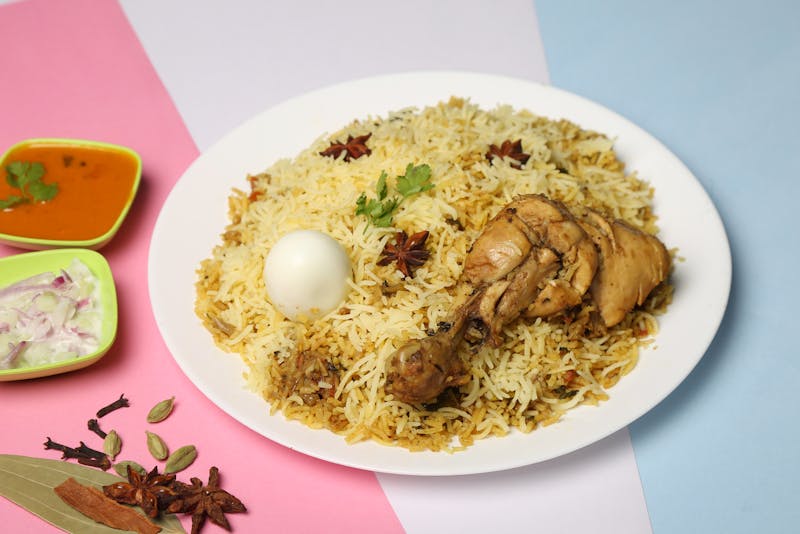
Biryani requires a different approach because the rice is partially cooked before layering with meat, vegetables, or spices. Texture is the most critical factor. Grains should be long, firm, and ideally around 70–80 percent cooked before layering.
Steps for biryani-ready basmati rice
- Use extra-long aged basmati.
- Wash and soak for 30 minutes.
- Boil water with spices (cloves, cinnamon, cardamom).
- Cook the rice using the draining method.
- Check for doneness by breaking a grain; it should be firm in the center.
- Drain immediately.
- Spread on a tray to stop further cooking.
Why this method matters for biryani
- Prevents mushy layers
- Ensures grains stay long and separate
- Helps flavors absorb properly during dum cooking
How to Cook Basmati Rice for Pilaf
Pilaf involves sautéing rice in oil or butter before simmering it with broth and spices. This method adds depth of flavor and a pleasant toasted aroma. It is a staple technique in Middle Eastern, Central Asian, and South Asian cooking.
Steps for making pilaf-style basmati rice
- Rinse the rice lightly, but do not soak it too long.
- Sauté onions, garlic, and spices in oil or butter.
- Add the rice and toast for 2–3 minutes.
- Pour in the correct amount of broth.
- Cover tightly and simmer until fully cooked.
- Rest for 10 minutes before fluffing.
Good flavor combinations for pilaf
- Carrots, raisins, almonds
- Cumin, cardamom, cinnamon
- Broth instead of water
Pilaf offers a rich, fragrant alternative to plain rice and pairs well with grilled meats, kababs, and roasted vegetables.
How to Store and Reheat Cooked Basmati Rice
Proper storage and reheating keep basmati rice from becoming dry or clumpy. When stored correctly, cooked rice can last for up to four days in the refrigerator. You can reheat it in a microwave, stovetop pan, or steamer, depending on your preference.
Storage tips
- Cool rice completely before refrigerating.
- Store in an airtight container.
- Do not leave rice at room temperature for more than one hour.
Reheating methods
- Microwave: Cover with a damp towel and heat for 1–2 minutes.
- Stovetop: Add a splash of water and steam on low.
- Steamer: Reheat for 5–7 minutes until soft again.
Proper reheating ensures the rice remains fluffy and safe to eat.
Common Mistakes to Avoid When Cooking Basmati Rice
Even experienced cooks sometimes run into issues when preparing basmati rice. Being aware of common mistakes can help you avoid mushy, sticky, or undercooked grains.
Frequent basmati rice mistakes
- Skipping the soaking step
- Using too much water
- Stirring rice during cooking
- Cooking on high heat
- Using the wrong variety of basmati
- Lifting the lid too often
How to fix these issues
- Always follow correct water ratios.
- Keep the heat low and consistent.
- Allow rice to rest after cooking.
- Choose high-quality, aged basmati.
Avoiding these mistakes guarantees a better outcome every time.
Conclusion
Mastering how to cook basmati rice is essential for creating flavorful, aromatic, and visually appealing dishes like curry, biryani, pilaf, and more. By understanding the unique qualities of basmati rice, choosing the right variety, and following proper washing, soaking, and cooking techniques, you can consistently achieve light, fluffy, and separate grains. Whether you use the stovetop, rice cooker, or Instant Pot, attention to water ratios, cooking time, and resting periods makes all the difference.
With these tips and methods, even beginners can elevate their meals and enjoy restaurant-quality rice at home every time. Perfect basmati rice is no longer a mystery—it’s a skill you can master.