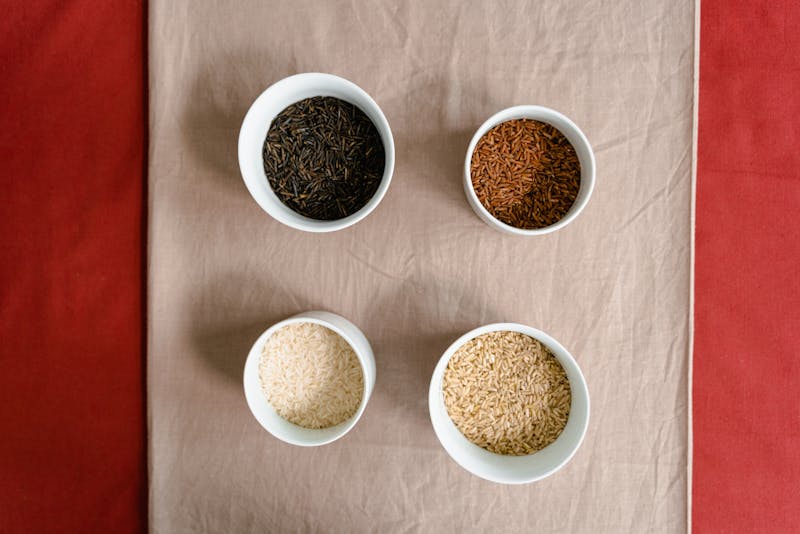

- Not all rice is the same—grain length, starch content, and growing region greatly affect taste, texture, and cooking performance.
- Aromatic rice varieties like basmati, jasmine, and Paw San Hmwe are ideal for flavorful, spiced dishes because of their fragrance and fluffy texture.
- Short-grain and high-starch rice types such as sushi rice and Arborio are best for sticky or creamy recipes like sushi and risotto.
- Whole-grain options like brown, red, and black rice provide more fiber, antioxidants, and a nuttier flavor than regular white rice.
- Wild rice is technically a grass seed, offering a unique chewy texture and earthy flavor that works well in salads and soups.
- Choosing the right type of rice can significantly improve the authenticity, flavor, and texture of any dish.
Rice is one of the world’s most crucial staple foods, with thousands of varieties cultivated across continents. While rice might look like a simple grain, each type boasts distinct taste, texture, aroma, and cultural significance. From the aromatic long grains of South Asia to the sticky short grains of Japan, rice plays diverse roles in global cuisine.
This article unpacks 10 types of rice—highlighting what makes each unique, where it originates, and the dishes they elevate. Whether you’re a home cook or a curious food lover, this guide will broaden your understanding of rice beyond plain white grains.
What Makes Different Types of Rice Unique?
Rice is classified by grain length, starch content, and regional cultivation practices. These factors influence not only the appearance but also how the rice cooks and tastes. Long-grain rice generally stays separate and fluffy, medium grain is more tender, and short grain tends to be sticky when cooked. Some varieties are aromatic with floral or nutty notes, while others are prized for their chewy or creamy textures.
Understanding these differences helps you select the right rice for specific dishes—from biryanis and curries to sushi and risottos. Essentially, the right type of rice can transform a recipe into an authentic culinary experience.
1. Basmati Rice – The Fragrant Long-Grain Staple
Origin and Characteristics
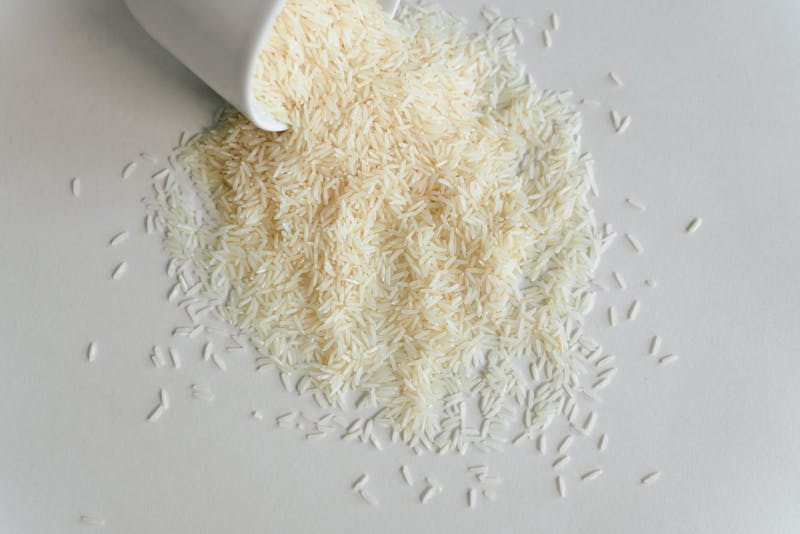
Basmati rice is a long-grain aromatic rice originating from the foothills of the Himalayas in India and Pakistan. It’s celebrated for its slender grains that elongate significantly when cooked. Among basmati varieties, Pusa Basmati 1121 has gained fame for its extraordinary kernel length and cooking qualities, making it one of the most prized types globally.
Taste and Texture
Basmati has a delicate nutty flavor and a floral aroma that fills the kitchen as it cooks. Its grains remain fluffy and separate, with a light texture that never becomes sticky. Many people wonder, “Is basmati rice healthy?”—the answer is yes. Basmati rice has a lower glycemic index than many other white rices, which helps regulate blood sugar, and it contains beneficial nutrients like fiber and protein.
How to Cook Basmati Rice
If you’re curious about how to cook basmati rice perfectly, here are some tips for you. Rinse the grains thoroughly, soak for 20–30 minutes, then simmer in water with a pinch of salt until tender. This method ensures the grains remain separate, light, and fluffy—perfect for pilafs or biryanis.
Best Dishes
Basmati rice is the classic choice for:
- Biryani – layered rice with spiced meat or vegetables
- Pilaf (Pilau) – subtly spiced and aromatic
- Kebabs and curries – pairing beautifully with rich sauces
Because it doesn’t clump together, basmati is excellent for dishes where texture and grain separation are important.
2. Jasmine Rice – Soft and Fragrant from Southeast Asia
Origin and Characteristics
Jasmine rice comes from Thailand and is also grown in Cambodia and Laos. It’s a long-grain rice, but unlike basmati, it has a slightly sticky texture when cooked due to higher amylopectin starch.
Taste and Texture
Jasmine rice offers a slightly sweet, floral aroma and a soft, moist texture that clings lightly together. Its scent is reminiscent of pandan and popcorn.
Best Dishes
Jasmine rice pairs naturally with Thai and Southeast Asian cuisines, including:
- Thai curries (green, red, massaman)
- Stir-fried veggies and meats
- Grilled seafood
Its fragrant aroma and gentle sweetness enhance bold and spicy dishes.
3. Sushi Rice – Sticky and Perfect for Japanese Cuisine
Origin and Characteristics
Sushi rice refers to short-grain Japonica rice primarily grown in Japan. This variety is known for its high starch content and naturally sticky texture, which is essential for sushi making.
Taste and Texture
Cooked sushi rice is plump, sticky, and slightly chewy—qualities that help it hold together in rolls and hand-shaped nigiri. Its subtle taste provides a neutral backdrop that complements vinegared seasonings.
Best Dishes
- Sushi and sashimi rice
- Onigiri (rice balls)
- Donburi (rice bowls with toppings)
Whether seasoned with sushi vinegar or served plain with toppings, this rice is indispensable in Japanese cuisine.
4. Arborio Rice – Creamy and Ideal for Risotto
Origin and Characteristics
Arborio rice comes from Italy and is a short-grain, high-starch rice. Its grains are thicker and plumper compared to other short grains, and they release starch as they cook, creating creaminess without added dairy.
Taste and Texture
The hallmark of Arborio is its creamy texture paired with al dente firmness in the center. It absorbs flavors and liquids while maintaining structure.
Best Dishes
- Risotto – classic Italian rice dish
- Rice pudding – rich and creamy dessert
- Arancini – fried rice balls with fillings
Arborio’s starch also makes it ideal for soups and stews where a thick, rich consistency is desired.
5. Brown Rice – Nutty, Chewy, and Nutritious
Origin and Characteristics
Brown rice is not a single variety but a processing style where only the hull is removed, leaving the bran and germ intact. It is grown worldwide and offers significantly more nutrients than white rice.
Taste and Texture
Compared to white rice, brown rice has a nutty flavor, firm chew, and heartier texture due to the bran layer. The retained fiber makes it more filling and nutritious.
Best Dishes
- Grain bowls with roasted vegetables
- Pilafs and salads
- Stir-fries
Because of its firm texture, brown rice pairs well with robust sauces and bold flavors.
6. Wild Rice – Unique Grass Seed with Nutty Flavor
Origin and Characteristics
Despite its name, wild rice is not true rice but the seed of aquatic grasses native to North America. Its long, slender grains and distinct profile make it stand out among rice varieties.
Taste and Texture
Wild rice has an earthy, nutty flavor and a chewy texture. Unlike standard rice, its outer casing gives each grain a bite.
Best Dishes
- Stuffings with herbs and mushrooms
- Salads with nuts and dried fruits
- Hearty soups
Wild rice is often mixed with other rice types to add texture and complexity.
7. Black Rice (Forbidden Rice) – Dramatic Color and Deep Flavor
Origin and Characteristics
Black rice, also known as forbidden rice, originated in China and was once reserved for emperors due to its rarity. Its deep purple hue comes from anthocyanin antioxidants.
Taste and Texture
This rice has a nutty, slightly sweet flavor with a chewy texture. Its striking appearance makes it as visually appealing as it is nutritious.
Best Dishes
- Colorful rice bowls
- Desserts with coconut milk
- Salads and side dishes
Black rice pairs well with both sweet and savory ingredients.
8. Glutinous (Sticky) Rice – Essential in Asian Desserts
Origin and Characteristics
Glutinous rice (sticky rice) is cultivated widely in Southeast Asia and is distinct for its low amylose and high amylopectin content, which makes it exceptionally sticky.
Taste and Texture
Despite the name, it contains no gluten. Its chewy, sticky texture and neutral taste make it a perfect base for sweet and savory dishes.
Best Dishes
- Mango sticky rice (dessert)
- Zongzi (sticky rice dumplings)
- Dim sum offerings
Sticky rice is often used where the rice must hold together in shapes or absorb rich flavors.
9. Red Rice – Earthy and Vibrant
Origin and Characteristics
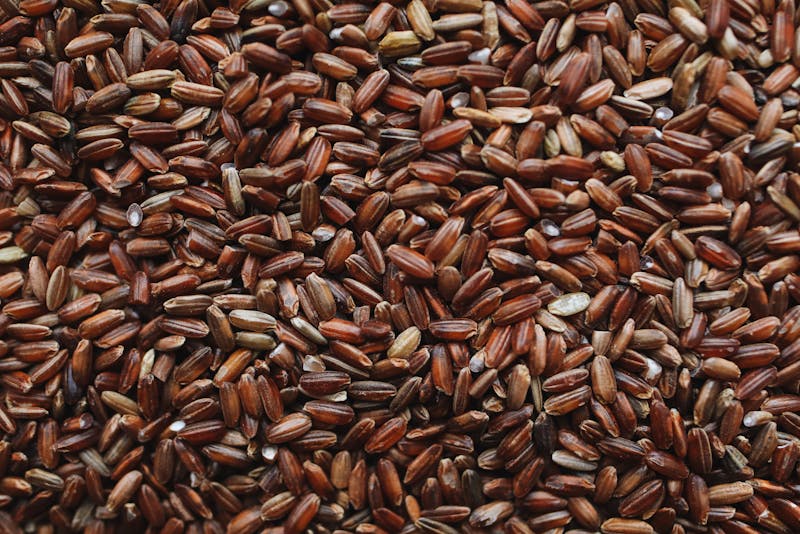
Red rice comes in various grain lengths and is cultivated in Asia and Africa. Its bran retains a reddish hue and rich nutritional profile.
Taste and Texture
Red rice has an earthy, nutty flavor and a firm, slightly chewy texture. It’s often chosen for health-focused meals.
Best Dishes
- Healthy grain bowls
- Mediterranean and African dishes
- Pilafs and salads
Its bold color also enhances the presentation of meals.
10. Paw San Hmwe – Premium Aromatic Rice from Myanmar
Origin and Characteristics
Paw San Hmwe (also spelled Paw hsan hmwe) is a high-grade aromatic rice from Myanmar. This medium-length rice is prized for its unique grain elongation and aroma.
Taste and Texture
It has a fragrant aroma and firm quality that elongates significantly when cooked. Its texture sits between soft jasmine and firmer basmati styles.
Best Dishes
- Festive rice dishes
- Plain steamed rice with curries
- High-end restaurant preparations
Paw San Hmwe is often regarded as one of the world’s premium aromatic rice varieties.
Choosing the Right Rice: Tips and Pairings
When deciding which rice to use, consider:
- Texture needs: Sticky (sushi, glutinous) vs. separate grains (basmati).
- Flavor goals: Nutty and earthy (wild, black, red) vs. aromatic (jasmine, Paw San Hmwe).
- Dish type: Creamy (Arborio) for risotto, firm and chewy (brown) for salads.
A good rule of thumb is to match rice with traditional dishes from its region—Asian rice for Asian meals, Italian short-grain for risottos, etc.
Conclusion
Rice may seem like a simple pantry staple, but as this guide shows, it is one of the most diverse and culturally significant foods in the world. Each variety brings its own personality to the table—whether it’s the floral aroma of basmati, the creamy richness of Arborio, the dramatic color of black rice, or the hearty chew of wild rice. Understanding these differences allows you to choose the right rice for the right dish, improving both flavor and texture while honoring the traditions behind each recipe.
By exploring and using different types of rice, you can turn everyday meals into more authentic, nutritious, and exciting dining experiences.